

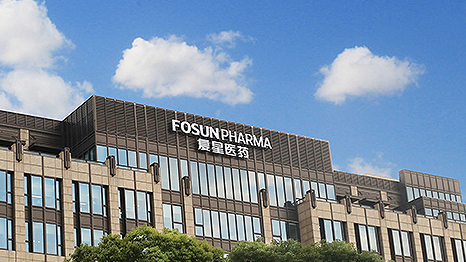



Better Health for Families Worldwide | Fosun Pharma’s Global Innovation in Malaria Control
The World Health Assembly designated 25 April as World Malaria Day to raise global awareness of malaria and promote malaria control efforts worldwide. The World Malaria Report 2025 reveals that the global fight against malaria has stalled: in 2024, an estimated 282 million new malaria cases were reported worldwide, resulting in approximately 610,000 deaths. About 95% of these cases occurred in Africa, and 75% of the deaths were among children under five. Although antimalarial treatments, particularly artemisinin-based therapies, have significantly transformed disease management over the past two decades, malaria control still faces severe challenges, and sustained action and investment remain key to achieving malaria elimination.
For 2026, the World Health Organization (WHO) has designated the theme for this year’s World Malaria Day as “Driven to End Malaria: Now We Can. Now We Must”, calling on the global community to seize the moment and accelerate efforts, in the fight for a malaria-free future.
In the global campaign against malaria spanning more than half a century—from artemisinin to oral combination antimalarial drugs, and from the treatment of severe malaria to chemical prevention of malaria in children—Fosun Pharma has consistently been at the forefront of global malaria control and prevention efforts. It has actively promoted its independently developed Artesunate for Injection as the global “gold standard” for severe malaria treatment, proactively built an iterative pipeline of antimalarial drugs based on clinical needs, and continuously advanced the localisation of pharmaceutical supply chains in Africa. Through continuous innovation and “deep internationalization”, Fosun Pharma is fulfilling its commitment to “building a malaria-free world”.
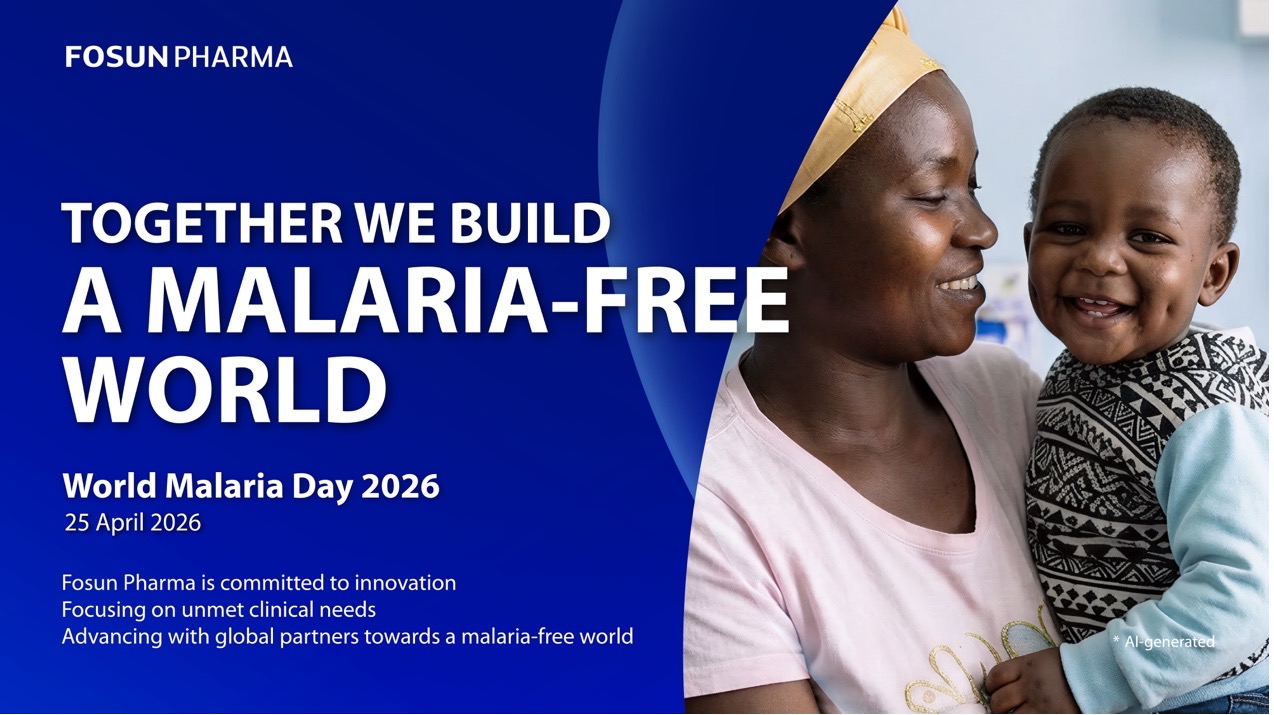
Building an Antimalarial Product Portfolio: From Establishing a Standard Treatment to Addressing Antimalarial Drug Resistance
Centered on the core question of “How to ensure that innovative drugs truly reach the most vulnerable populations and remain effective in the real world”, Fosun Pharma has built an antimalarial drug pipeline that comprehensively covers malaria prevention, treatment of uncomplicated malaria, and management of severe malaria, to address the “unmet clinical needs”.
Fosun Pharma’s anti-malaria efforts are rooted in the historical legacy of China’s “523 Project”. In 1977, its subsidiary, Guilin Pharma, successfully synthesized artesunate (a subsidiary of artemisinin), overcoming the challenge of water solubility and laying a critical foundation for the rapid intravenous administration of treatment for severe malaria. In 1987, Guilin Pharma received the first Class-I New Drug Certificate (No. 001) for Artesunate in the People’s Republic of China, marking the significant milestone in the global expansion of China’s innovative medicines. In 2010, Artesunate for Injection received WHO prequalification and was established as the global “first-line treatment” of severe malaria based on the AQUAMAT study. By the end of 2025, Fosun Pharma had supplied over 440 million vials of Artesunate for Injection globally, having treated more than 88 million patients with severe malaria.
Building on this foundation, Fosun Pharma continues to drive product iteration and upgrades. The second-generation Artesunate for Injection, Argesun®, launched in 2023, employs an innovative “one-step reconstitution” process that replaces the original two-step reconstitution, reducing preparation time from approximately 3 minutes to 1 minute, making it more adaptable for primary care settings with limited medical resources. By the end of 2025, the product had received regulatory approval in 25 countries, becoming the world’s first one-step artesunate injection product pre-qualified by WHO. This improvement significantly improved the feasibility of severe malaria treatment in primary healthcare settings, enabling innovative achievements to be more efficiently translated into clinical practice in resource-limited regions.
Meanwhile, targeting children—a high-risk population—the company launched the world’s first paediatric formulation of primaquine phosphate dispersible tablets in November 2025, which has also prequalified by WHO. This provides a more suitable dosage form for younger patients and helps address the long-standing clinical challenge of improving medication compliance among children. Furthermore, seasonal malaria prevention programs, exemplified by SPAQ-CO®, have been widely implemented across Africa, benefiting over 330 million children, demonstrating the company’s ability to translate innovations to meet the specific needs of target populations.
Looking ahead, Fosun Pharma is developing next-generation antimalarial drugs to address the growing threat of artemisinin partial resistance. A triple-combination formulation of artemether, lumefantrine and amodiaquine, led by Fosun Pharma, is currently undergoing global multicenter Phase III clinical trials in Africa and Southeast Asia and has secured approximately $3.3 million in investment from Japan’s GHIT Fund—marking the fund’s first support of Chinese pharmaceutical company led projects.
To date, the company has 40 antimalarial products approved by WHO prequalification, forming a comprehensive product portfolio covering malaria prevention, treatment, and intensive care. According to a World Health Organization assessment, the widespread use of artemisinin-based drugs has been a key factor in the significant decline in global malaria mortality since 2000.
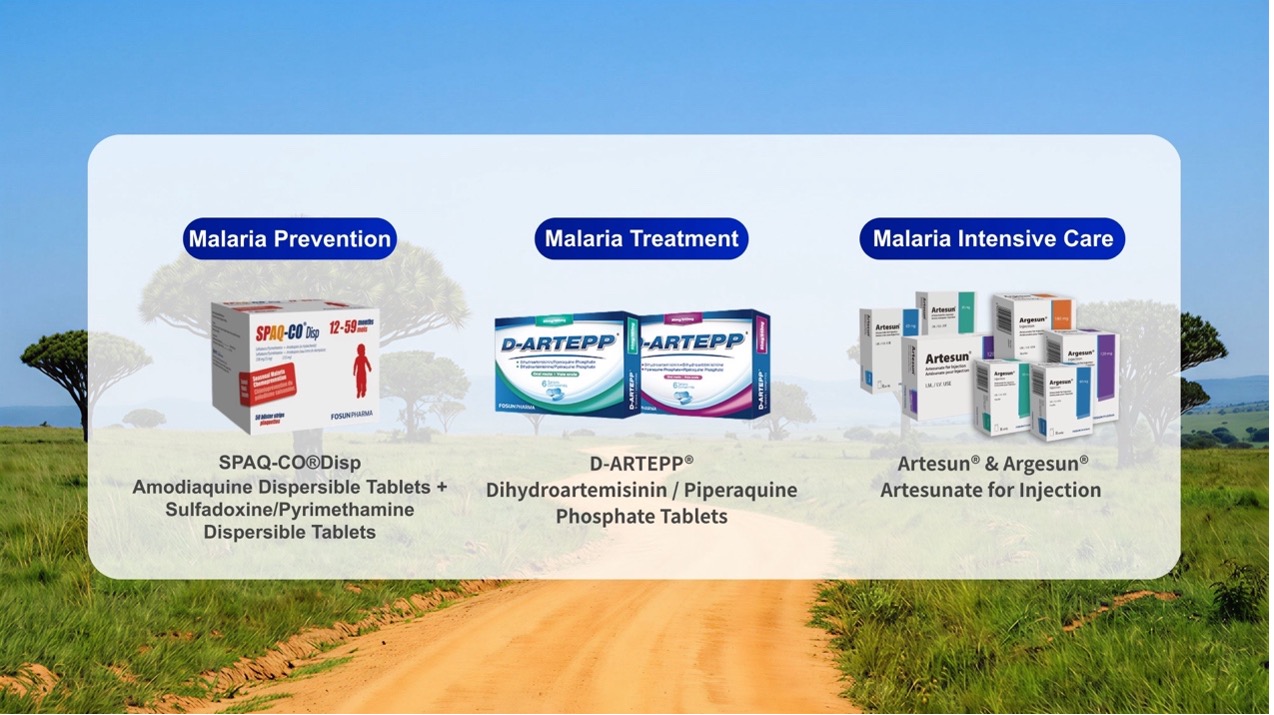
Moving beyond the question of “effectiveness” to address “availability and accessibility”, Fosun Pharma is driving antimalarial innovation from the bench to the bedside, ensuring that high-quality treatments reach those who need them most.
Deep Internationalization: Advancing Malaria Control Innovation in Africa
To ensure a stable supply of innovative products and their long-term impact, Fosun Pharma continues to advance its localisation strategy in Africa.
Through its wholly-owned subsidiary Tridem Pharma, the company has established distribution networks in multiple African countries, continuously enhancing its reach to end-users so that high-quality medicines can reach patients more efficiently.
Building on this foundation, the company is advancing the construction of the manufacturing site in Côte d’Ivoire. Its Phase I site is designed with an annual production capacity of 500 million tablets; upon full completion, total capacity is expected to reach 5 billion tablets annually, with the potential to create nearly 1,000 local jobs.
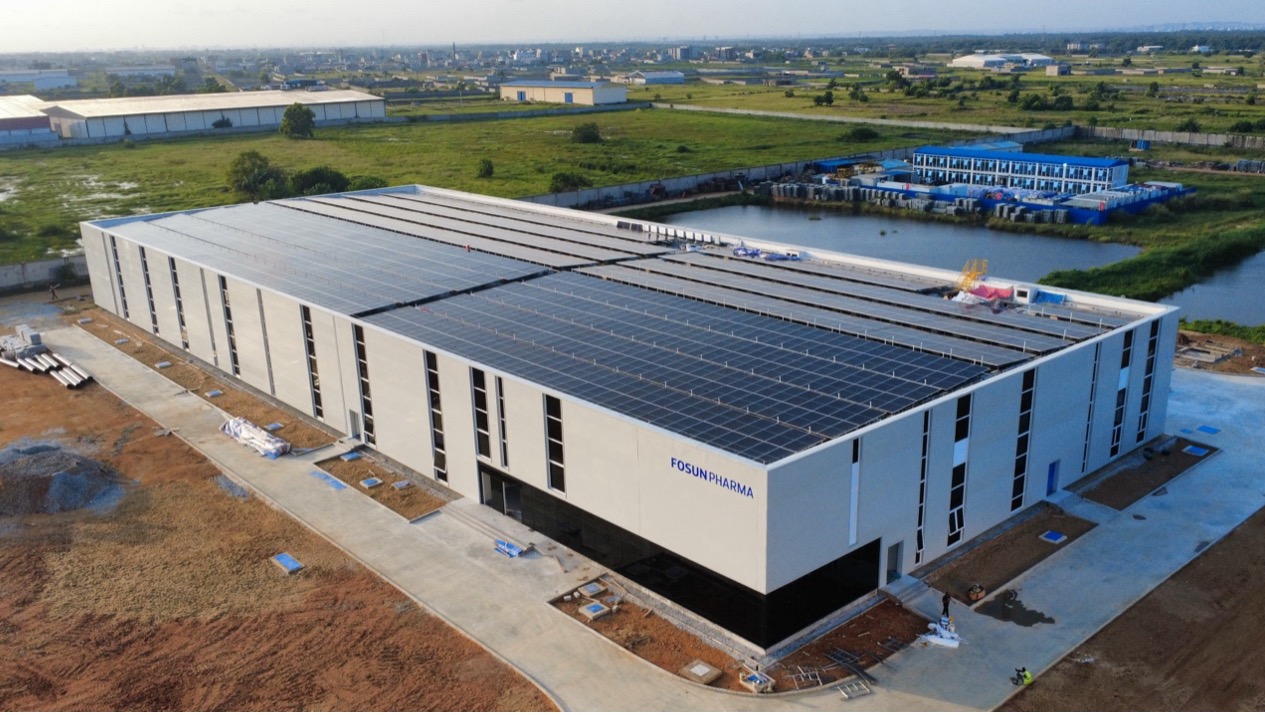
Through the development of a “local manufacturing + local distribution” system, Fosun Pharma is continuously strengthening its long-term supply capacity for antimalarial drugs, ensuring that artemisinin—a flagship of China’s innovative medicines—continues to play a vital role in global public health practices.
Continuous Innovation, Committed to Building a Malaria-Free World
While continuously advancing drug innovation, Fosun Pharma is further extending its innovative efforts to capacity building within Africa’s public health systems. This effort aims to move new antimalarial tools from being “available” to “accessible”, and ultimately toward “long-term sustainability”.
Since 2006, Fosun Pharma has actively participated in the Chinese government’s anti-malaria aid projects in Africa, continuously holding workshops on malaria prevention and control for African health regulatory authorities. These initiatives have effectively enhanced the management and technical capabilities of local malaria control personnel, thereby strengthening the region’s capacity to prevent and control malaria. At the community level in Africa, Fosun Pharma supports local health workers in conducting rapid malaria diagnosis and providing guidance on standardised medication use, thereby extending prevention and control capabilities to the grassroots. By 2025, the company had conducted approximately 3,600 CME training sessions across Africa, reaching over 60,000 healthcare workers, and driving a shift from “having medicines available” to “knowing how to use medicines and using them effectively”.
On World Malaria Day 2025, the company donated 900,000 doses of WHO prequalified antimalarial drugs to countries including Angola, Tanzania, and Kenya, taking concrete action to protect vulnerable populations.
From drug supply to system-building, Fosun Pharma is transforming anti-malaria innovation into sustainable public health capacity.
Driven by continuous innovation and a globalisation, Fosun Pharma is advancing anti-malaria efforts toward greater equity, accessibility, and sustainability, which aligns with the World Health Organization’s global initiative, “Now We Can, Now We Must”.
Moving forward, Fosun Pharma will continue to prioritize innovation, deepen global collaboration, and focus on unmet clinical needs to contribute to the shared goal of a malaria-free world, thereby fulfilling its mission of “Better Health for Families Worldwide”.